In this article
Editorial update: September 29, 2026. Text prepared with AI assistance, based on the sources cited. No independent clinical review. General information, not an individual meal plan.
Short answer
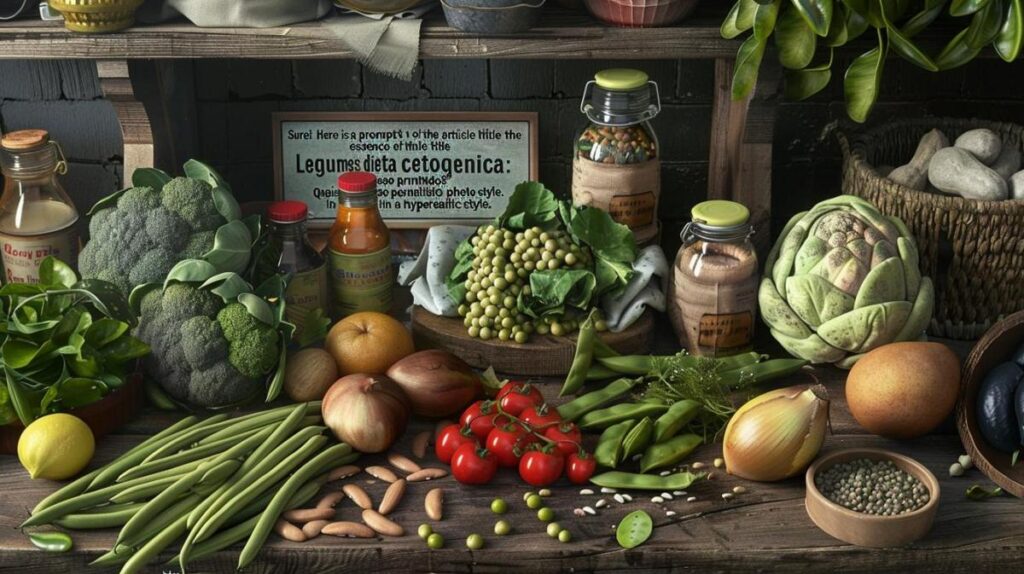
The ketogenic diet includes leafy greens and low-starch vegetables, such as lettuce, arugula, kale, broccoli, cauliflower, cucumber and zucchini. Starch-rich roots and tubers, such as potato, sweet potato, cassava and yam, are left out, as is corn. The table below, with TACO data, shows the difference in numbers.
Which vegetables and greens are allowed
According to the Harvard Nutrition Source, most non-starchy vegetables are part of the diet: leafy greens (kale, Swiss chard, spinach, lettuce), cauliflower, broccoli, Brussels sprouts, asparagus, bell pepper, onion, garlic, mushrooms, cucumber, celery and zucchini. Potato, corn and other starchy vegetables, on the other hand, are cut from every version of keto.
To build meals with these vegetables, see the complete list of allowed foods and the 7-day meal plan.
Table: vegetable carbs per 100 g
The numbers are from TACO, the Brazilian Food Composition Table (NEPA/Unicamp). In TACO, values are per 100 g of edible portion, and carbohydrate is calculated by difference, including dietary fiber.
| Food (TACO) | Total carbohydrate (g per 100 g) | Fiber (g per 100 g) |
|---|---|---|
| Lettuce, green leaf, raw | 1.7 | 1.8 |
| Cucumber, raw | 2.0 | 1.1 |
| Arugula, raw | 2.2 | 1.7 |
| Watercress, raw | 2.3 | 2.1 |
| Spinach, New Zealand, raw | 2.6 | 2.1 |
| Radish, raw | 2.7 | 2.2 |
| Tomato, with seeds, raw | 3.1 | 1.2 |
| Cabbage, green, raw | 3.9 | 1.9 |
| Broccoli, raw | 4.0 | 2.9 |
| Chayote, raw | 4.1 | 1.3 |
| Turnip, raw | 4.1 | 2.6 |
| Kale, raw | 4.3 | 3.1 |
| Zucchini, raw | 4.3 | 1.4 |
| Eggplant, raw | 4.4 | 2.9 |
| Cauliflower, raw | 4.5 | 2.4 |
| Swiss chard, raw | 4.6 | 1.1 |
| Bell pepper, green, raw | 4.9 | 2.6 |
| Green bean, raw | 5.3 | 2.4 |
| Okra, raw | 6.4 | 4.6 |
| Carrot, raw | 7.7 | 3.2 |
| Squash, kabocha, raw | 8.4 | 2.2 |
| Onion, raw | 8.9 | 2.2 |
| Beet, raw | 11.1 | 3.4 |
| Potato, white, raw | 14.7 | 1.2 |
| Yam, raw | 23.0 | 7.3 |
| Sweet potato, raw | 28.2 | 2.6 |
| Cassava, raw | 36.2 | 1.9 |
For reference: the ketogenic diet usually stays below 50 g of carbohydrates per day, and some versions go as low as 20 g. According to TACO, 100 g of raw broccoli has 4.0 g of total carbohydrate; 100 g of raw white potato has 14.7 g, and 100 g of raw cassava, 36.2 g.
Does the “above-ground” vegetable rule work?
It’s a common shortcut: vegetables that grow above ground supposedly have fewer carbs than those that grow below it. TACO data shows the trend exists, because starchy roots and tubers sit well above leafy greens: raw sweet potato has 28.2 g and raw yam 23.0 g per 100 g, compared with 2.0 g for cucumber and 4.3 g for zucchini.
But there are exceptions both ways. Radish (2.7 g) and turnip (4.1 g) grow below ground and fall within the range of leafy greens. Kabocha squash (8.4 g), on the other hand, grows above ground and has more carbs than carrot (7.7 g), and Harvard lists hard-shell squashes among the starchy vegetables to avoid. That is why checking the table is more useful than relying on the rule.
Total carbs or “net” carbs?
Many keto resources talk about “net carbs,” meaning total carbs minus the part that is not digested, such as fiber. Harvard notes that this is an unregulated term, created by the food industry as a marketing strategy, and that there is debate even among keto followers about the value of this calculation. The table above shows total carbs and fiber side by side, so you can see both.
Before changing your diet
Harvard recommends consulting a doctor and a dietitian before starting the ketogenic diet, to monitor changes in your lab results and adapt the plan to your health. This matters even more if you have diabetes or another condition, take medication, or are pregnant or breastfeeding; there are still uncertainties about the safety of keto in kidney and liver disease and during pregnancy, breastfeeding, childhood and adolescence. The step-by-step guide to getting started summarizes the rest.
Sources
- Harvard T.H. Chan School of Public Health, The Nutrition Source: Diet Review: Ketogenic Diet for Weight Loss
- TACO – Tabela Brasileira de Composição de Alimentos, 4ª edição revisada e ampliada (NEPA/Unicamp)

Mariana is passionate about a healthy lifestyle.