In this article
A diet with fewer carbohydrates does not require buying products labeled ‘keto’ on the package. To spend less, start with available ingredients, your budget, and the meals you can actually prepare and store.
Being inexpensive does not make a diet suitable for everyone. Use organizational ideas within a meal plan compatible with your needs.
Check what you already have at home
Before making the list, see what can be used in the pantry, refrigerator, and freezer. Choose preparations that use these foods and note what is missing. A sale purchase is no longer economical if part of it ends up wasted.
Also consider available storage space. Buying more only makes sense if the product fits your budget, will be used, and can be stored properly.
Compare useful quantity
The price of a package alone does not explain the meal cost. Observe edible weight, yield, and how many portions you will actually prepare. Drained products, cuts with non-edible parts, and ingredients requiring complements may have different costs than they appear.
You can sum the cost of batch ingredients and divide by prepared portions. This calculation uses your purchase prices; no need for a generic table promising the same values in any city.
- Compare available alternatives in your region.
- Observe seasonal vegetables and plain frozen ones, without sauces.
- Avoid buying special ingredients for a recipe you will rarely repeat.
- Include in the calculation only the complements that will actually be used.
Choose preparations you can repeat
Eggs, sardine, chicken, tofu, and various vegetables are options. None is always the cheapest: price, access, and yield vary. Choice also depends on your preferences and restrictions.
Omelet with cabbage, chicken with zucchini, tofu with broccoli, and sardine with salad are culinary ideas. They do not represent a complete menu, prescribed portions, or meals with calculated macros.
You can repeat an ingredient base and change seasonings or presentation. Organized repetition is often more feasible than buying many items to prepare a different dish at each meal.
Make a list tied to preparation
Note ingredients and quantities corresponding to chosen preparations. Check labels of mixes, sauces, and ready-made products. The lowest price does not compensate for a composition you did not intend to include or a quantity that will not be used.
It is not necessary to choose only foods advertised as keto. A special package also does not guarantee ketosis or a weight loss result.
Manage leftovers
Prepare and store food with hygiene. Plan what will be refrigerated and what will be frozen, identifying preparations. Using leftovers means storing food properly, not leaving perishable food outside refrigeration for later reuse.
An app can help note purchases, but does not replace individual assessment. Savings come from a plan that fits your routine and budget, without depending on nutritional promises of a product.
Related readings
- Keto meal prep: preparation, storage and freezing
- Fish, canned sardines and tuna: how to read the label
- Eating out on keto: restaurants, buffets and delivery
- Risks and precautions before starting the ketogenic diet
Sources and limits
- Brazilian Ministry of Health: dietary guidelines
- Anvisa: nutrition labelling in Brazil
- Anvisa: good practices for food services in Brazil
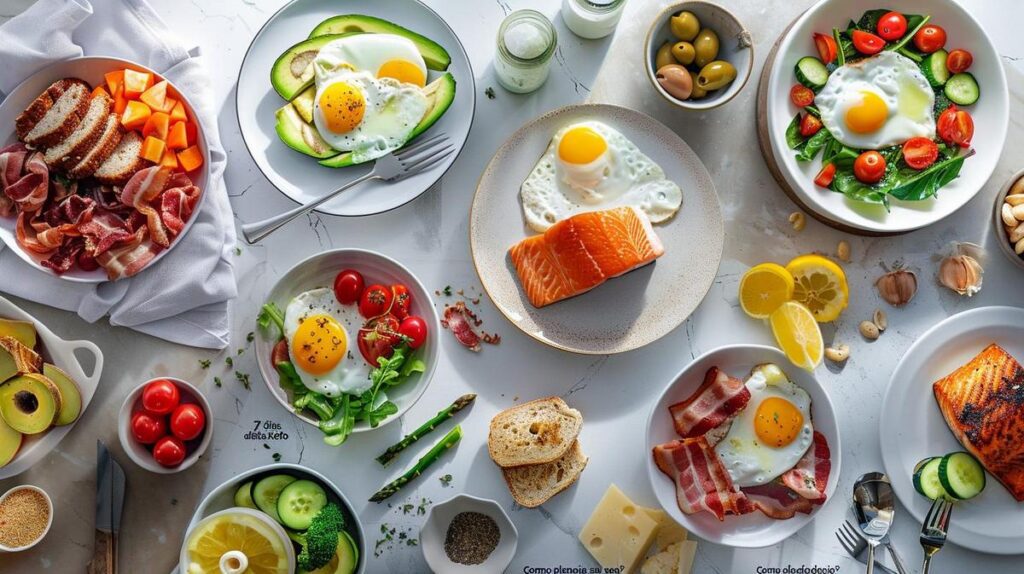
Informational content prepared with support from artificial intelligence, without independent clinical review. It does not replace assessment by a doctor or dietitian. Meal examples are not an individual meal plan or tested recipes. The image is illustrative.

Mariana is passionate about a healthy lifestyle.