In this article
Plain fish and canned fish with sauce are different products. To choose sardine or tuna, check the actual packaging, not a rule that all fish have the same composition or that all canned products should be avoided.
The label helps distinguish the food, the covering liquid, the seasonings and the quantity that will be consumed. A fish dish also receives the composition of the accompaniments.
Start with ingredients
Tuna in water, tuna in oil and a preserve with tomato sauce may have different ingredients. The oil alters fats and energy, but does not automatically become carbohydrate. The water version, in turn, does not guarantee absence of salt.
Tomato sauce may contain only simple ingredients or include sugar and starch. Check the list instead of assuming composition from the product’s color.
- Read all ingredients of the preserve.
- Compare carbohydrates, proteins and sodium on the same basis.
- Identify if the value refers to the drained product.
- Check storage conditions and shelf life after opening.
Use the weight that corresponds to the information
If the table uses drained product, weigh the drained portion you actually will eat. Do not substitute that weight with the total net weight of the can. If a sauce consumed is not included in the table’s basis, do not treat it as if it had already been counted.
This attention avoids an apparently precise calculation made with different measures. When the packaging does not clarify the basis, seek information from the manufacturer instead of guessing a value.
Meal ideas without a ready calculation
Sardines with vegetables and tuna with leaves are presentation possibilities. Sauces and complements are your choice and need to enter the meal calculation. Mayonnaise is not mandatory to turn fish into an option compatible with your planning.
These are not tested meals or prescribed portions. The amount of protein and the adequacy of the set depend on the complete diet, the ingredients and your needs.
Check the packaging before consuming
Reject bulging, leaking or suspiciously damaged cans. After opening, store the food in an appropriate container under refrigeration and follow the manufacturer’s indicated shelf life. Do not assign a single shelf life to all opened preserves.
Perishable food should not be forgotten in the bag or on the counter. When fish is part of a lunchbox, also plan transport and temperature maintenance.
Variety and situations requiring guidance
Do not turn a tuna suggestion into a daily consumption recommendation. The choice and frequency of species deserve consideration, especially in pregnant women, children and people with specific restrictions, including those related to mercury.
Those with fish allergy do not resolve the restriction merely by switching brands. Follow individual guidance. The presence of fish or a keto seal does not guarantee ketosis, weight loss nor meal adequacy for everyone.
Related readings
- Simple and affordable keto: shopping and meal planning
- Keto meal prep: preparation, storage and freezing
- How to calculate carbohydrates per serving in a recipe
- Risks and precautions before starting the ketogenic diet
Sources and limits
- Anvisa: nutrition labelling in Brazil
- FDA: understanding the Nutrition Facts label
- Brazilian Ministry of Health: dietary guidelines
- Anvisa: good practices for food services in Brazil
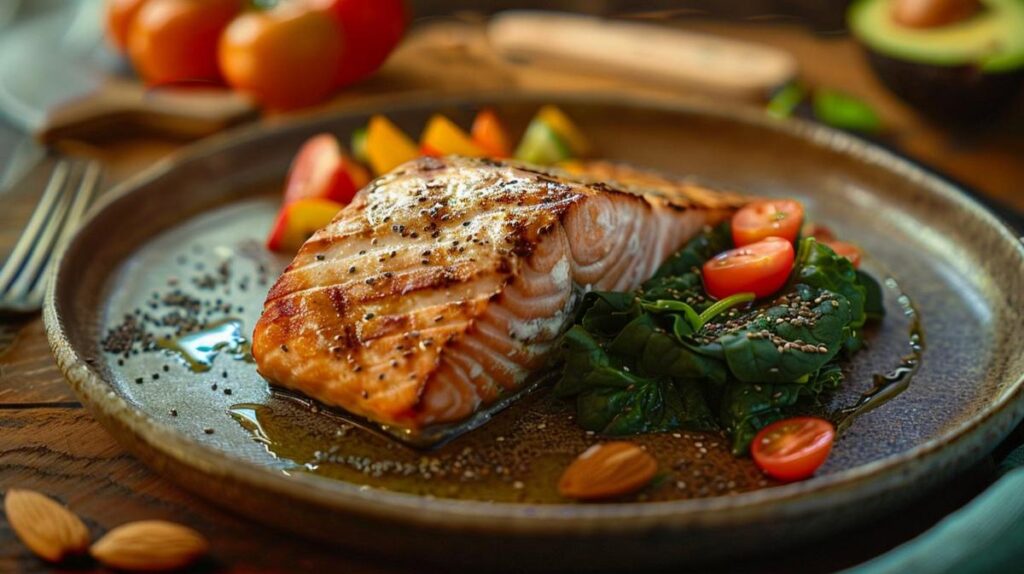
Informational content prepared with support from artificial intelligence, without independent clinical review. It does not replace assessment by a doctor or dietitian. Meal examples are not an individual meal plan or tested recipes. The image is illustrative.

Mariana is passionate about a healthy lifestyle.