In this article
The new food pyramid US 2025–2030 was launched in early 2026 and came with a simple message: “eat real food.”
The guidelines also introduced a redesigned visual—often described as an “inverted” food pyramid—that gives more prominence to protein foods, dairy, and fats, while putting less emphasis on refined carbs and ultra-processed products.
The result is a major tone shift in public nutrition messaging: less obsession with packaged “healthy” substitutes, and more focus on minimally processed, recognizable foods.
What changed in the 2025–2030 pyramid
Here are the biggest practical changes highlighted across the new guidance and official summaries:
-
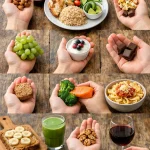
Real food first: a strong push toward whole or minimally processed foods and a sharper warning against highly processed foods, added sugars, and refined carbohydrates.
-
Protein gets elevated: the guidelines emphasize prioritizing protein foods at every meal and include a higher protein target range commonly cited as 1.2–1.6 g/kg/day.
-
Full-fat dairy is highlighted: official messaging explicitly calls out full-fat dairy (without added sugars) as part of the pattern.
-
Healthy fats are encouraged: with emphasis on whole-food fat sources and oils with essential fatty acids (olive oil is frequently mentioned), while still advising people to reduce ultra-processed intake overall.
-
Whole grains remain—but not as the “base”: whole grains are still included, but the visual deprioritizes carbs compared with past messaging that centered grains more strongly.
A note on “butter/tallow”
Some summaries note that cooking fat options “can include” items like butter or beef tallow—yet commentary from public health experts argues the messaging can feel contradictory because saturated fat limits were not fully abandoned.
The core idea: “Eat real food” (and why it matters)
If you boil the guidelines down to one actionable rule, it’s this:
Choose foods that look like food.
More: meat/seafood/eggs, dairy, vegetables, fruit, nuts/seeds, and whole grains.
Less: sugary snacks, refined carbs, and ultra-processed, additive-heavy products.
This approach tends to be easier to follow than tracking macros, and it’s also more resilient: whether you eat higher-carb or lower-carb, you’ll generally do better when ultra-processed calories drop and whole foods rise.
How it compares with Low-Carb
Low-carb typically reduces carbohydrates (especially sugar and refined starches) and raises protein and/or fats, while leaning on non-starchy vegetables.
Similarities
-
Strong overlap on cutting added sugars and ultra-processed foods.
-
“Food quality first” mindset.
Differences
-
The guidelines don’t set strict carb limits the way most low-carb frameworks do.
-
They still explicitly keep room for fruit and whole grains within the overall pattern.
How it compares with Keto (Ketogenic diet)
Keto usually restricts carbs heavily (often ~<50 g/day) to induce ketosis.
Similarities
-
Shared emphasis on reducing sugar and ultra-processed foods.
Differences
-
The 2025–2030 guidelines are not designed to induce ketosis and don’t demand extreme carb restriction.
-
They allow a broader range of foods (including fruit and whole grains) than classic keto.

Mariana é apaixonada pelo estilo de vida saudável.